
Adults and Seniors: COVID’s Target Physically and Mentally
By Sierra Osborne
November 28, 2021
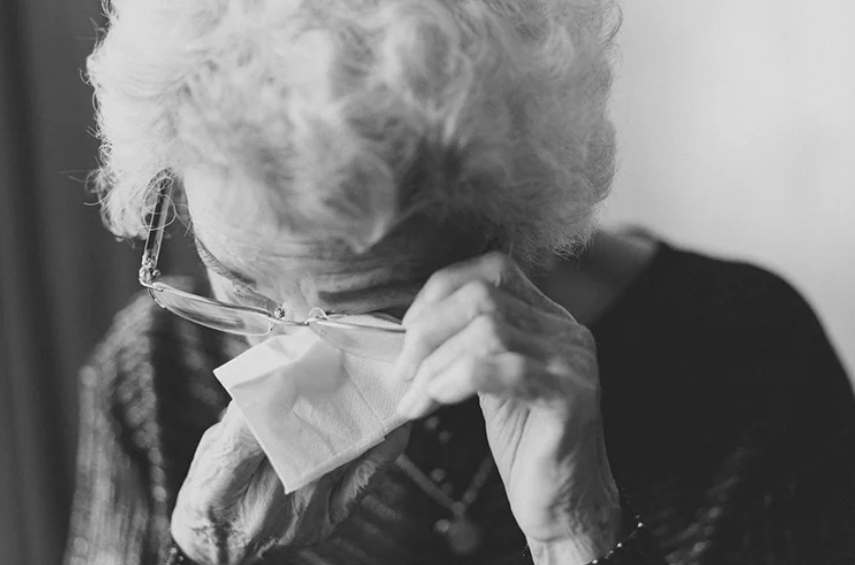
GREENACRES, Fla. – Since the arrival of COVID-19 in the US, the mental state of adults and seniors have been disregarded. Various studies have been conducted centered around young adults and teenagers, ignoring the older population.
For adults and seniors, COVID was the biggest threat to their physical health. Being immune compromised, disease-ridden, and weak of health all contribute to a trend of intense symptoms from COVID.
Physical health was and is no doubt the primary factor revolving around older adults. The mental state that the pandemic has placed them in is not being accounted for enough.
Doctor Ipsit Vahia states in her article Older Adults and the Mental Health Effects of COVID-19, “As the coronavirus disease 2019 (COVID-19) began to spread in the US in early 2020, older adults experienced disproportionately greater adverse effects from the pandemic including more severe complications, higher mortality, concerns about disruptions to their daily routines and access to care, difficulty in adapting to technologies like telemedicine, and concerns that isolation would exacerbate existing mental health conditions.” Not only has COVID fueled the fire for mental health issues, but it has also created them.
Pamela Jones, a 78-year-old grandmother, describes COVID as a “separator of families”. She was unable to visit her son and his children through the entirety of 2020 and most of the year 2021. The primary reason was to keep Jones healthy and not be exposed to anything her family may catch without symptoms. The other reason was worse. Her son’s wife used COVID as a way to keep her from her grandchildren.
“It’s just me. My husband died back in 2018. It’s just me in this house. I love my grandchildren to death. Tammy (the wife) cares more about her children than me, and how that affects me. I understand they’re more important to her, but they’re important to me too.” Jones stated.
Every word spoken was accompanied by tears.
Jones got to briefly see her family in September. Jones was told to stay inside, and the kids waved to their grandmother through her window.
Pamela Jones’ neighbor, Caroline McKinley, went through a similar experience. Both residents live in a 65 and older residential neighborhood, and most tenants only have each other for company.
“Everyone was too scared to go outside,” McKinley said, “The media made us paranoid to the point that if we went outside and breathed air we’d croak on the spot.”
McKinley, aged 72, and her husband Jack, aged 75, have lived in the neighborhood for 10 years. Seven of those years were spent living next to Jones.
“We go over and visit when we can. Jack still works. Money has been tight. If we fall or get a pain, we just try to ignore it as best as we can. Getting help has been too much of a burden.” Mrs. McKinley said.
Mr. McKinley pointed to the house to his left. He hadn’t seen his neighbor Sam since the pandemic started. The house’s windows are bordered up.
Depression has been on the rise in older adults since the start of the pandemic. The main association is with delayed care and lack of resources. Delayed care includes dental and surgery. The older population has a higher risk with these events if exposed to COVID.
Beatrice Martin, an 89-year-old amputee, is borderline deaf. Her biggest issue is mobility and communication. She lost her leg in a car accident during COVID. Her pet chihuahua didn’t make it. Her husband, who was at the wheel, fortunately survived. He also caught COVID in the hospital.
“We couldn’t visit each other for the longest time. Everything was so hard. Everyone wore a mask; I couldn’t understand anything. I couldn’t see my husband. I was…grieving…in multiple ways.” Mrs. Martin said.
The couple don’t own smartphones. They went 6 months without seeing each other. Pierre Martin, the husband, ranted about the digital divide between generations.
“I was so heartbroken in the hospital. I just wanted to see my wife,” Mr. Martin said, “If I could’ve just seen her face on my phone like all the kids do, I wouldn’t have been so miserable.”
Money has been dwindling for the couple. Between aftercare for the accident and Mrs. Marin’s hearing, a smartphone is seemingly out of reach.
Emerging technologies aren’t always older-generation friendly, making them harder to use and understand. Lack of physical interaction leaves them with little to no communication outside of an occasional phone call.
 Sierra Monet Glasgow